Uinta Basin Mineral Rights
Leave Uinta Basin crude sitting in a cold tank too long and it turns solid enough to hold a shape. That's not a joke people out there tell, it's just how this oil behaves.
The Uinta Basin in northeastern Utah, mostly Duchesne and Uintah counties, produces a genuinely unusual crude oil, waxy enough that it solidifies at temperatures well above what most other oil regions have to worry about. That single fact shapes almost everything about how this basin gets developed, transported, and valued, more than in most other plays we work in.
If you own minerals here, you're also likely dealing with a mix of private, state, and Ute Indian Tribe trust land within the Uintah and Ouray Reservation boundaries, which adds another layer worth understanding before you decide what to do with your interest.
Crude That Solidifies Like Candle Wax
Uinta Basin crude has an unusually high paraffin content, which means it needs to be kept warm through production, storage, and transport or it will gel and become difficult to move. That characteristic has historically limited how this oil could be shipped, since standard pipelines built for lighter, more typical crude weren't always suited to it without modification or blending.
That transportation challenge has real economic consequences. Wells here can be every bit as productive as elsewhere, but the cost and complexity of getting the crude to market affects the netback price operators actually realize, and that in turn affects royalty economics.
Why Rail Cars Matter More Here Than Pipelines
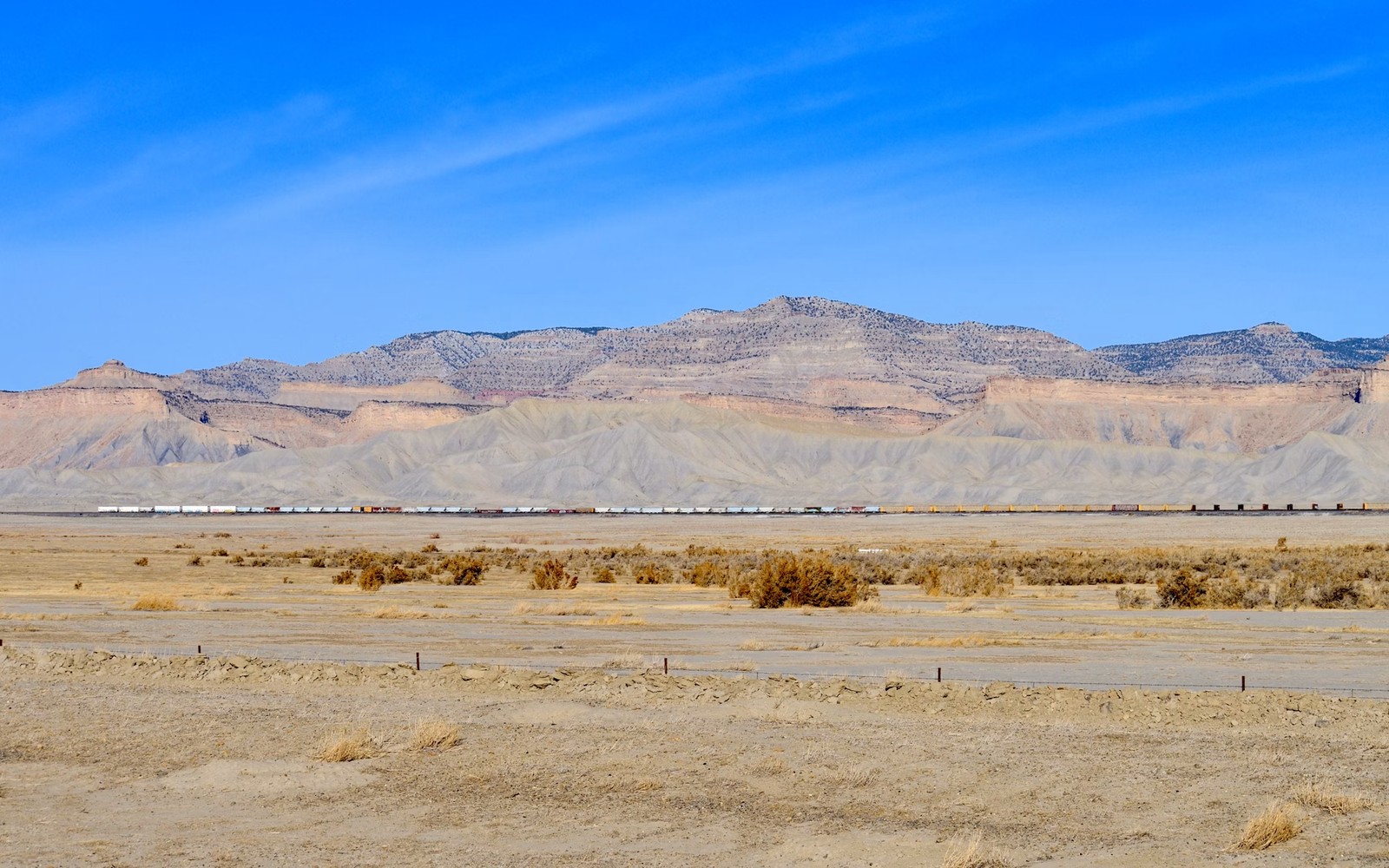
Because of the waxy crude issue and limited pipeline infrastructure reaching this basin, a significant share of Uinta production has historically moved by insulated or heated rail car rather than pipeline, which is unusual for a major oil-producing region. Rail capacity and rail economics play a bigger role in this basin's netback pricing than in most plays, where pipeline access is more straightforward.
That reliance on rail is also why proposed rail line expansions serving this basin have been such a significant and closely watched development topic for operators and mineral owners alike.
Reservation Lines, County Lines, and What They Mean for Your Deed
A meaningful portion of the Uinta Basin sits within the Uintah and Ouray Reservation, home to the Ute Indian Tribe, and mineral ownership here includes a mix of private fee minerals, state trust land, and tribal trust interests, each with somewhat different administrative processes. If your minerals are tribal trust or allotted land, transactions typically require working through the Bureau of Indian Affairs rather than a standard county-level closing.
Knowing which category your interest falls into up front saves a lot of time. Send us your legal description and we'll tell you what process applies before we get into numbers.
Duchesne and Uintah counties also see a mix of surface uses that don't always match up neatly with subsurface ownership, given how ranching, energy development, and reservation boundaries overlap in this part of Utah. None of that changes what your minerals are worth, but it can affect how long a transaction takes to close, especially where tribal or BIA approval is part of the process.
Questions We Would Ask If These Were Still Our Minerals
These are practical questions an owner can answer without arriving with a perfect title file or a commitment to sell.
Why does Uinta Basin oil need special handling?
It has an unusually high paraffin content, which causes it to solidify at temperatures that wouldn't affect typical crude oil. It needs to be kept warm through production, storage, and transport, which adds cost and complexity compared to most other basins.
Why does rail transport matter so much to this basin's economics?
Limited pipeline infrastructure suited to waxy crude has historically pushed a significant share of Uinta production onto insulated or heated rail cars. Rail capacity and cost affect the price operators realize for the oil, which flows through to royalty payments.
My minerals are within the Uintah and Ouray Reservation. Does that change how a sale works?
It can. Tribal trust or allotted interests typically require processing through the Bureau of Indian Affairs rather than a standard county closing. Private fee minerals within the reservation boundary generally follow the normal process. We can tell you which applies to your interest.
Is the Uinta Basin still being actively drilled?
Yes, though development pace depends heavily on takeaway capacity for this specialized crude. Improvements in rail and transport infrastructure have influenced activity levels in recent years.
Will a sale take longer if my minerals are near the reservation boundary?
It can, particularly if tribal trust status or Bureau of Indian Affairs approval is involved. Private fee minerals near the boundary generally close on a normal timeline. We'll tell you upfront what to expect for your specific situation.
Does waxy crude affect the price I'm offered for my minerals?
It's factored into how we look at netback pricing for this basin, since transport costs affect what an operator actually realizes from the oil. We'll explain how that plays into your specific number.
Tell us the county and state, how the minerals came to you, whether they are producing, and which records are close at hand.