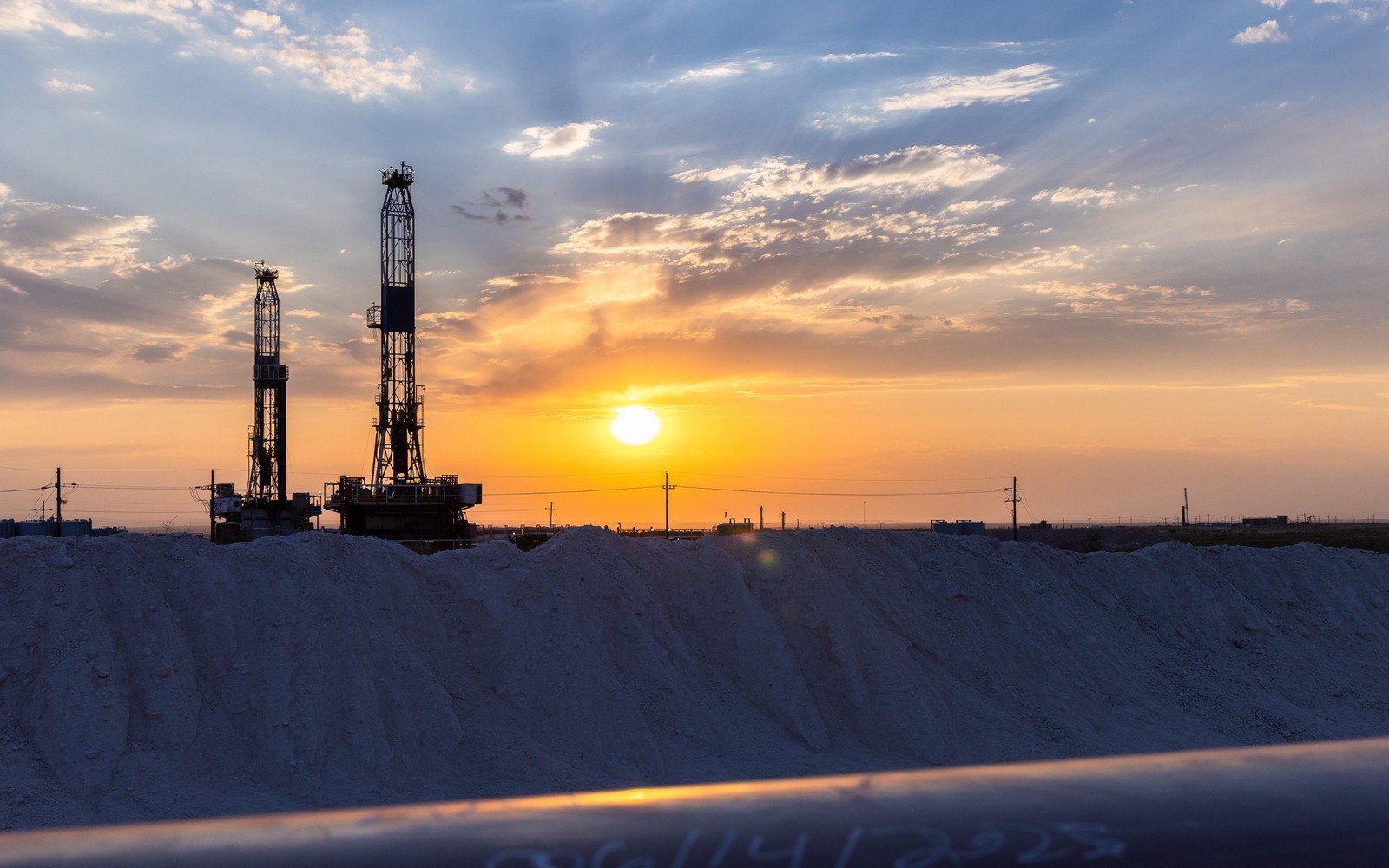
Barnett Shale Mineral Rights
Everybody in the business talks about the Barnett like it's history. For a lot of families out there, it's still a check that shows up every month, just a smaller one than it used to be.
The Barnett Shale, under the Fort Worth Basin, was the play that proved horizontal drilling and hydraulic fracturing could make shale gas economical at scale, well before anyone had heard of the Eagle Ford or the Marcellus. It's also, twenty years later, one of the more mature shale plays in the country. If you've owned minerals in Tarrant, Johnson, Wise, or Denton County since the mid-2000s boom, you've watched this whole cycle from the front row.
The question we hear most from Barnett owners isn't whether the play is dying. It's whether it still makes sense to keep a small, aging royalty stream or take a number now and be done with it.
The Play That Started It All Is Winding Down
Peak Barnett drilling ran roughly from the mid-2000s through around 2010, and very little new drilling has happened here since. What's producing today is almost entirely legacy horizontal wells drilled in that window, most of them well into their natural decline curve. Operators aren't coming back with new pads the way they might in a hotter basin, because there's no real economic case for it at current gas prices with this reservoir's remaining pressure.
That doesn't mean the wells stopped paying. It means the trajectory is set, and it's downward, gradually, the way a mature gas well behaves once the steep early decline is behind it.
Living With a Well Pad Two Streets Over
Part of what makes the Barnett unusual is how much of it sits under actual neighborhoods in the Dallas-Fort Worth suburbs, not open ranch land. A lot of owners here inherited a small mineral interest tied to a subdivision lot rather than acreage, and the well serving that unit might be a pad site tucked behind a shopping center. It's an odd version of oil and gas ownership, but the royalty mechanics work the same way.
Because so much of this basin is urbanized, there's essentially no room left for new development even if prices improved. What's drilled is what's going to produce for the life of the field.
Doing the Math on a Twenty-Year-Old Lease
A lot of original Barnett leases from the boom years are long since held by production, and the terms on those old leases, including royalty fraction and post-production deduction language, were often written before anyone anticipated how long these wells would keep producing at low volumes. We look at your actual decline history, beyond current production, to figure out what the remaining life is worth.
For owners tired of watching a shrinking check every year, selling now converts an uncertain, fading tail into a fixed number today. That's a real tradeoff worth running the numbers on rather than guessing.
There's also a generational piece to this basin that's easy to overlook. A lot of Barnett interests were split among heirs after the original owner passed, and what started as one full mineral interest is now several smaller shares, each collecting a modest amount and each responsible for its own tax reporting. Consolidating that into one clean payout is sometimes as much about simplifying the family's paperwork as it is about the dollar figure itself.
Questions We Would Ask If These Were Still Our Minerals
These are practical questions an owner can answer without arriving with a perfect title file or a commitment to sell.
Is anyone still drilling in the Barnett Shale?
Almost no new drilling has happened here in years. What's producing is legacy horizontal wells from the mid-2000s boom, now well into decline. Don't expect a new well to change your numbers.
Why does my Barnett check keep getting smaller?
Natural gas wells decline over time, and Barnett wells are now fifteen to twenty years into their production life. A gradually shrinking check is the normal pattern for a mature gas well this far along, not a sign of a problem.
My mineral interest is under a subdivision, not a ranch. Does that change anything?
Not really for royalty purposes. Urban mineral ownership works the same mechanically, though it does mean there's essentially no room for future drilling on your specific tract given how built out the area is.
Is it worth selling a small, declining Barnett interest?
Often yes, particularly if you'd rather have a lump sum now than keep tracking a shrinking check and filing paperwork on it for years. We can show you the math on both paths before you decide.
Can I sell just my share and let other family members keep theirs?
Yes. We buy individual fractional interests, so if you want to sell your portion while a sibling or cousin holds onto theirs, that's straightforward to structure.
What paperwork do I need to sell a Barnett Shale interest?
A recent division order or statement and your deed or lease information get us most of the way there. We'll tell you exactly what else is needed once we've reviewed what you have.
Tell us the county and state, how the minerals came to you, whether they are producing, and which records are close at hand.