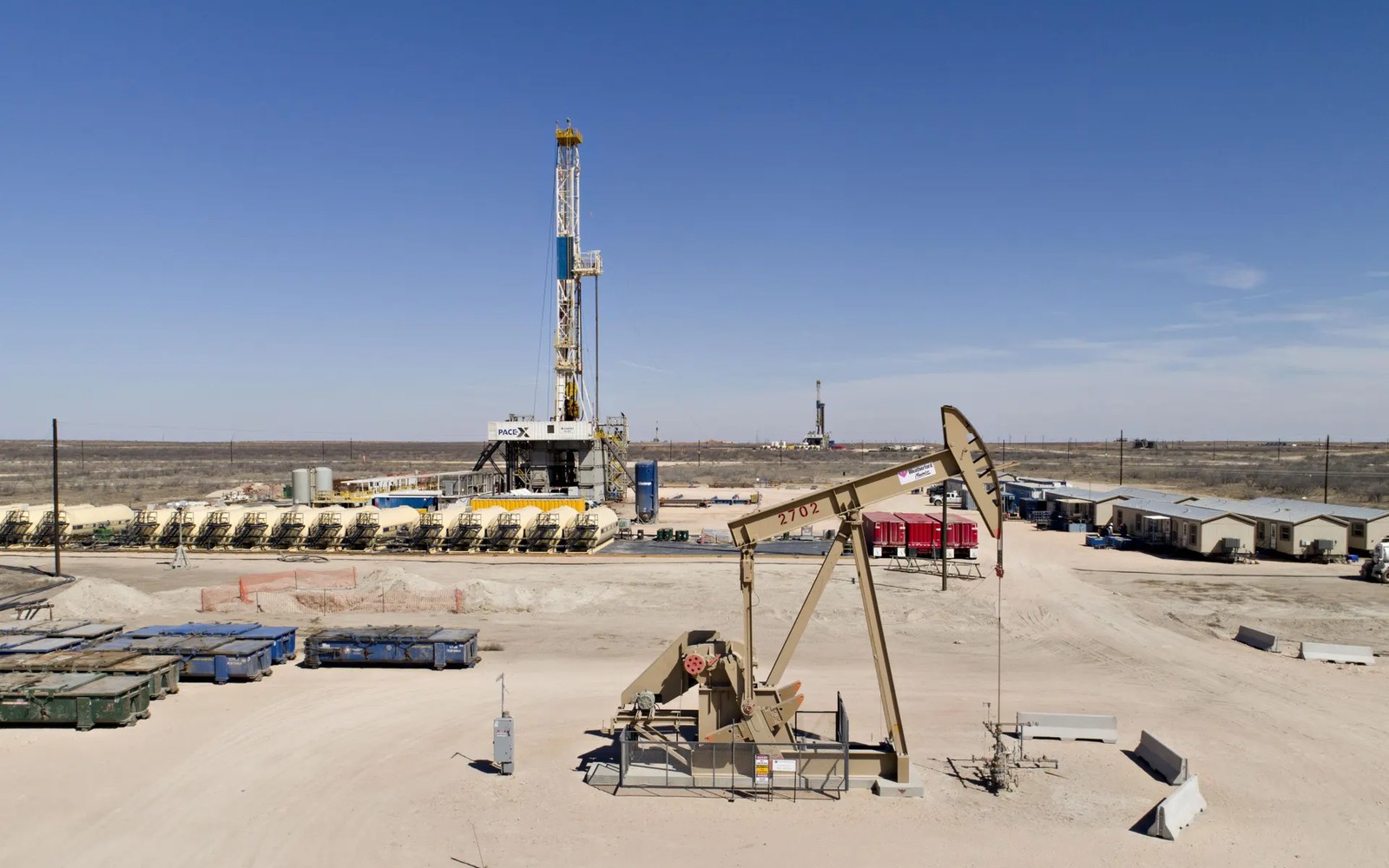
Midland Basin Mineral Rights
The name on our check has changed three times in the last few years and we never signed a thing to make that happen. That's just how consolidation works out here.
The Midland Basin, the eastern half of the greater Permian, spans Midland, Martin, Howard, and Glasscock counties, and it's one of the most heavily developed and actively consolidated pieces of oil and gas real estate in the country. Wolfcamp and Spraberry intervals stack up under this acreage in layers, and the big operators, Pioneer, ExxonMobil, and others, have spent years buying and merging their way into bigger and bigger positions here.
If you own Midland Basin minerals, you're sitting in one of the hottest development areas in the country, which shapes both the drilling pace on your acreage and the level of interest from buyers looking to purchase your interest outright.
Stacked Pay: Why One Lease Can Cover Five Different Zones
The Midland Basin's defining geologic feature is how many productive zones sit on top of each other, from the upper Spraberry down through multiple Wolfcamp benches. A single unit here can host wells targeting several different intervals over a span of years, which is a big part of why this basin has supported such sustained development compared to plays with one target zone.
That layered pay also means valuing a Midland interest requires looking past whatever's currently producing to what else might still get developed on your specific acreage down the line.
What Consolidation Among the Big Operators Means for You
Major mergers and acquisitions among Permian operators have reshuffled who holds acreage across this basin repeatedly over the past several years. For a mineral owner, that usually shows up as a new operator name on your check, sometimes with little advance notice, and occasionally with a gap in payment while the new owner sorts out the transferred records.
Larger, better-capitalized operators taking over acreage positions can be a good sign for future development pace, since they typically have more resources to keep drilling than a smaller predecessor might have.
Selling Into a Basin Still Being Bought Up
Because so much corporate activity is happening at the operator level, buyer demand for Midland Basin mineral interests has stayed strong, and that competition tends to benefit sellers. Whether you hold through more development or take a number now, it's worth understanding where your specific tract sits relative to the current wave of activity before deciding.
We'll walk through what's actually producing on or near your acreage, what's likely still to come given the current operator's plans, and what that adds up to as a fair number today.
It's also worth thinking about your own appetite for staying tied to a corporate story that keeps changing chapters. Some owners enjoy watching which company ends up with their acreage next. Others would rather step out of that whole cycle entirely and take a number they control. Neither instinct is wrong, but it's worth being honest with yourself about which one actually describes you.
Questions We Would Ask If These Were Still Our Minerals
These are practical questions an owner can answer without arriving with a perfect title file or a commitment to sell.
Why does the operator name on my Midland Basin check keep changing?
Ongoing mergers and acquisitions among Permian operators have shifted acreage ownership repeatedly in recent years. It's common in this basin and doesn't necessarily affect your underlying interest, though it can cause temporary payment delays while records transfer.
What does stacked pay mean for the value of my minerals?
It means multiple productive zones, like several Wolfcamp benches and the Spraberry interval, sit on top of each other under your acreage. That can support more wells and a longer development timeline than a basin with a single target zone.
Is the Midland Basin still being actively developed?
Yes, it remains one of the most actively drilled parts of the Permian, with major operators continuing to develop stacked intervals across the basin's core counties.
Should I hold my Midland Basin interest given how active it is?
That depends on how much you value potential future development versus certainty today. We can give you a straightforward number and explain what we see happening on or near your specific acreage so you can decide.
Does it matter to me personally which company ends up owning the lease?
Not usually for royalty mechanics, since your interest and lease terms carry over regardless of operator. It can matter for development pace, since larger, better-capitalized operators sometimes drill more consistently than smaller predecessors.
How is a Midland Basin interest different from a Delaware Basin interest?
Both sit within the greater Permian, but they're geologically distinct sub-basins with different operator footprints and development histories. County location tells us which side of the Permian your acreage falls in.
Do you buy minerals across all four core Midland Basin counties?
Yes, including Midland, Martin, Howard, and Glasscock counties, along with the surrounding areas that make up this stacked-pay corner of the Permian.
What if I'm not sure whether my acreage is Midland or Delaware Basin?
Send us your county and legal description and we'll confirm which sub-basin you're in before discussing any numbers, so you're comparing apples to apples with what's actually developing near you.
Tell us the county and state, how the minerals came to you, whether they are producing, and which records are close at hand.