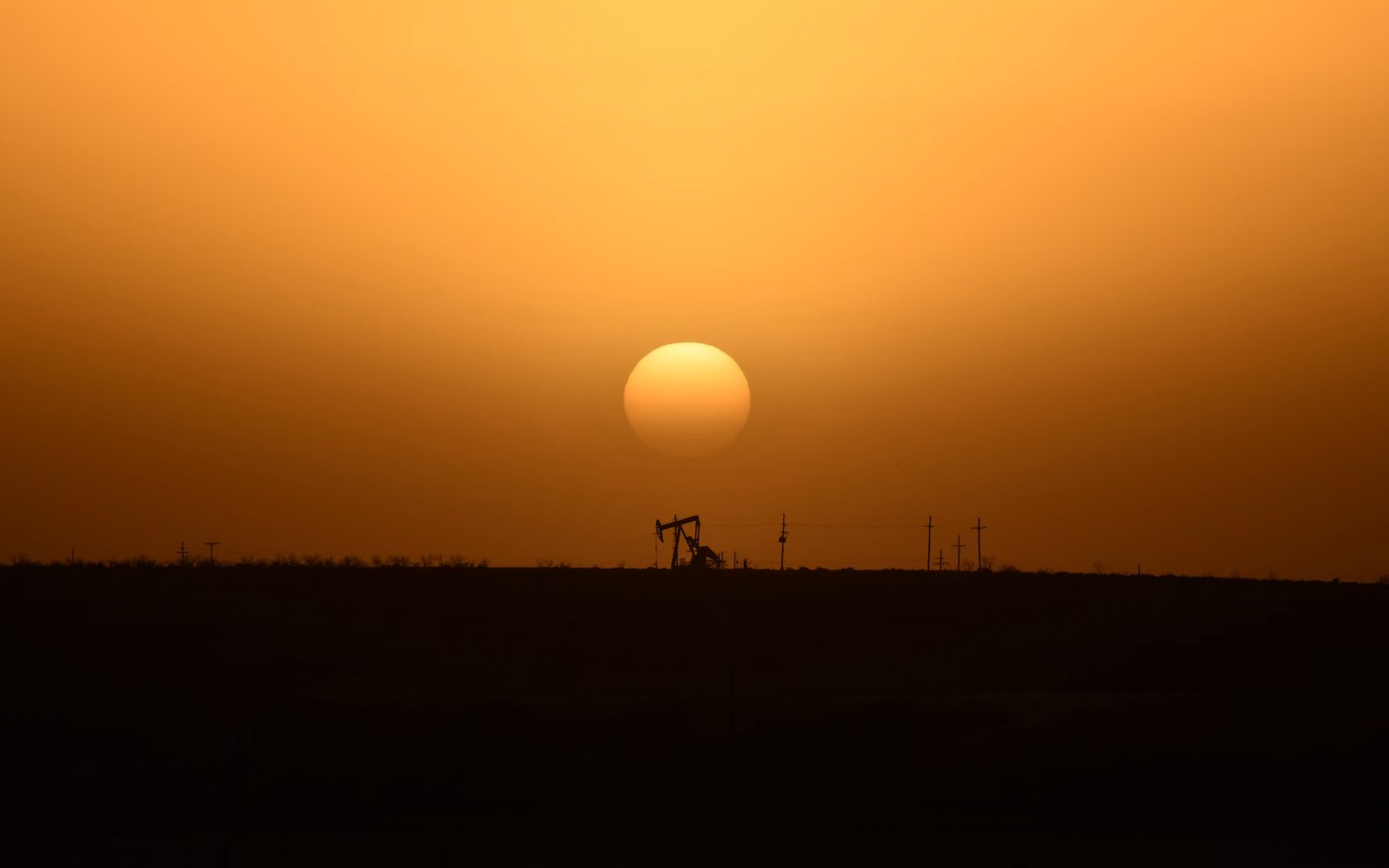
Permian Basin Mineral Rights
There isn't a bigger oil patch in the country than the Permian, and if you own even a sliver of it, you already know the attention that comes with that.
The Permian Basin, covering West Texas and southeastern New Mexico and encompassing both the Midland and Delaware sub-basins, is the largest and most actively developed oil-producing region in the United States by a wide margin. Owning minerals anywhere inside it puts you in the middle of the most intense corporate activity in the industry, from record-setting mergers to some of the busiest active rig counts anywhere onshore.
That scale cuts both ways for a family deciding what to do with a Permian interest. There's real ongoing development potential here, and there's also more buyer competition and more corporate noise than in almost any other basin we work in.
The Biggest Oil Patch in the Country, and What That Means for a Small Owner
The sheer scale of Permian development, stacked pay across multiple formations, thousands of active wells, and an enormous amount of undeveloped acreage still in inventory for major operators, means this basin will likely see meaningful drilling activity for many years to come, longer than most other unconventional plays. For a mineral owner, that translates into a genuinely different risk profile than a mature, declining basin elsewhere.
It also means you're one owner among a very large number of Permian mineral holders, which can make it feel harder to get individual attention from an operator, even though your interest is every bit as real and valuable as anyone else's.
Consolidation: Why the Name on Your Check Keeps Changing
Few basins have seen as much merger and acquisition activity among operators in recent years as the Permian, with large companies repeatedly buying up smaller operators and each other to build bigger, more efficient acreage positions. For mineral owners, this usually shows up as the operator name on your division order and statement changing, sometimes more than once over a short span, along with the administrative lag that comes with records transferring between companies.
Generally speaking, larger operators taking over acreage bring more capital and a longer development runway than the smaller companies they replace, which can be a meaningful positive for future drilling pace on your specific tract.
Riding Development vs Selling Into a Crowded Buyer Market
Because this basin is so actively developed and so heavily bought and sold at the corporate level, mineral buyers compete hard for Permian interests, which tends to work in a seller's favor on offer amounts. The tradeoff for holding is real upside if your specific acreage sees continued development, but also continued exposure to oil price cycles and years of unpredictable operator timing.
Whether you're better off holding or selling usually comes down to your own tolerance for that uncertainty and how much you value a fixed number today versus a longer, less certain stream of income. We'll walk through what's actually happening on or near your acreage before you decide.
Given how much attention this basin gets, it's also worth being wary of offers that come in fast and pushy, promising a number without ever asking where your acreage actually sits or what's producing on it. A basin this large has real variation from tract to tract, and any honest offer should reflect that instead of treating every Permian acre the same.
Questions We Would Ask If These Were Still Our Minerals
These are practical questions an owner can answer without arriving with a perfect title file or a commitment to sell.
Why does the operator on my Permian Basin check keep changing?
Extensive merger and acquisition activity among Permian operators has reshuffled acreage ownership repeatedly in recent years. It's common in this basin and doesn't change your underlying mineral rights, though it can cause a temporary lag in payments while records transfer.
Is the Permian Basin part of the Midland or Delaware Basin?
The Permian Basin is the larger regional term encompassing both the Midland Basin to the east and the Delaware Basin to the west, along with several smaller sub-basins. Your specific county tells us which part of the Permian your minerals sit in.
Why do I get so much buyer interest in my Permian minerals?
This is the most actively developed oil basin in the country, and competition among buyers for Permian interests tends to be stronger than in most other plays. That competition generally benefits sellers.
Should I hold my Permian interest given how much development potential is left?
That depends on your own tolerance for oil price risk and uncertain development timing versus the certainty of a number today. We can give you a clear read on activity near your specific acreage to help you weigh both paths.
How do I know if an offer on my Permian interest is fair?
A fair offer should be based on your specific acreage, county, and production history, not a generic number applied basin-wide. Be cautious of any buyer who quotes you before asking those details.
Do I have to sell my entire Permian Basin interest at once?
No, we can structure a partial sale, keeping a portion of your interest while selling the rest, if that fits your family's goals better than an all-or-nothing decision.
Tell us the county and state, how the minerals came to you, whether they are producing, and which records are close at hand.