
We wanted mineral owners to receive the explanation our own family went looking for.
We are a fourth-generation ranch family, and the land taught us that ownership is both an asset and a responsibility. When our own mineral sale came up, broad promises were easy to find. Clear explanations of the deed, decimal interest, wells, lease terms, future drilling, and exact conveyance were not. We built the process we wished we had been offered.
A family can make a sound decision only when the property and the tradeoffs are both visible.
Today we begin the same way we wanted a buyer to begin with us: listen to the family story, identify the property, read the records, separate known facts from assumptions, and discuss the real choices. A full sale, partial sale, or decision to hold can each be reasonable. The right answer depends on the interest and the people who own it.
The process has two sides: your family's goals and the property's records. Neither should disappear behind the other.
Tell us how the minerals came to you, what is changing, and what a good outcome would protect.
We identify the interest and evaluate the evidence the same way we wanted our family's property evaluated.
The person signing the deed should understand the records, the material assumptions, the interest being conveyed, and the alternatives still available.
A first conversation is free, private, and does not commit your family to a sale.

If the records support a direct purchase, the written agreement identifies the property, interest, price, diligence, and closing terms. There is no upfront fee to ask questions or request that review.
You may take the proposal to your own attorney, CPA, landman, tax professional, or family advisor. A serious offer should hold up to a serious conversation.
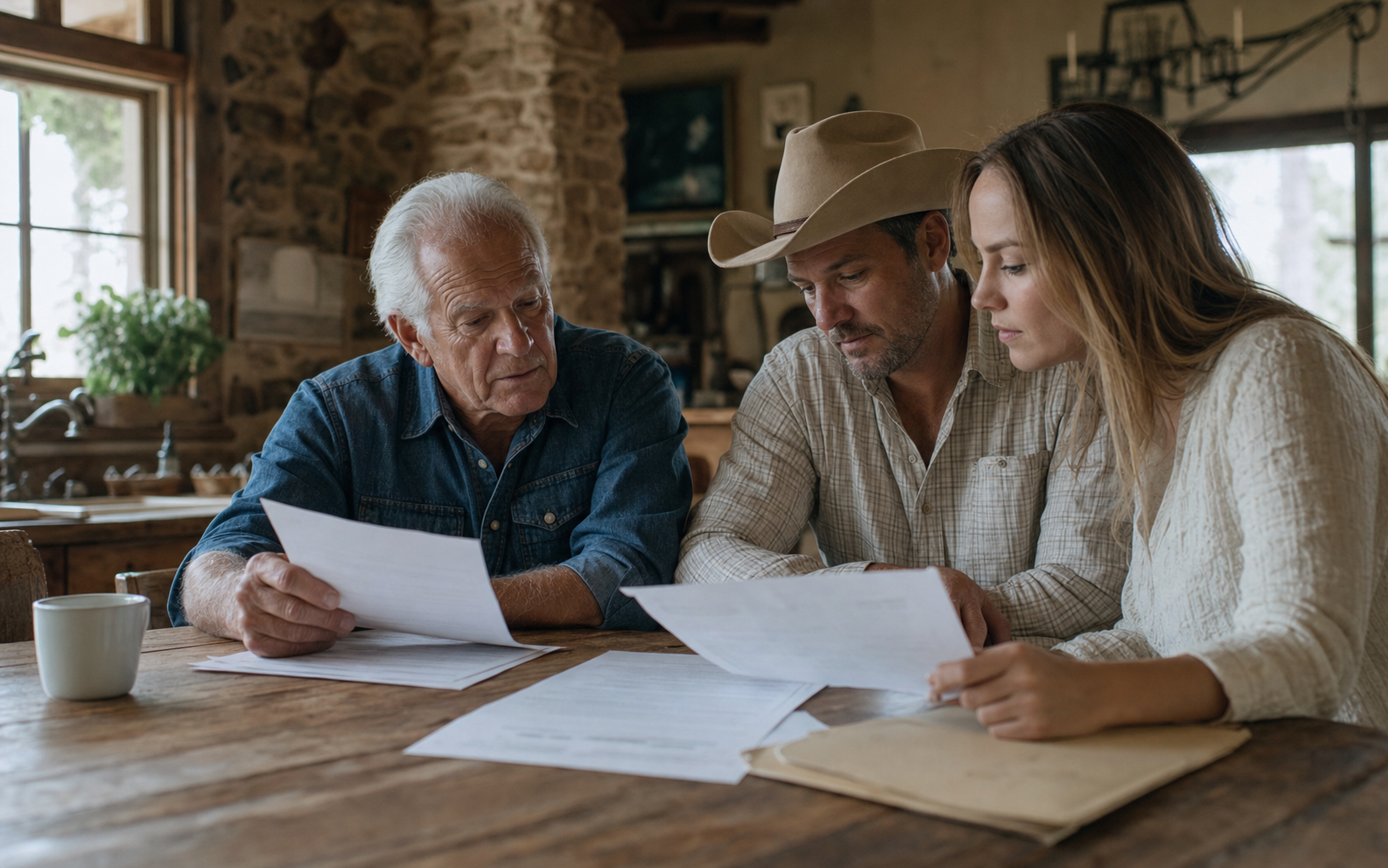
Our fourth-generation ranch family did not enter mineral rights through a boardroom. We entered through our own deed file and the uncomfortable realization that a family's history can be reduced to a signature unless someone takes time to explain the property.
That is why every review here starts with the actual deed and the family's own paperwork, not a number quoted sight unseen.
Interest A describable mineral or royalty interest
Evidence The records and assumptions that influence value
Tradeoffs A visible keep, partial-sale, and full-sale tradeoff
Terms Written terms that match the conversation

The ownership story and the people affected by the decision deserve to be heard before the transaction is discussed.
A seller should not need industry shorthand to understand the interest, the number, or the document.
We distinguish county records, paid production, operator activity, and future possibility instead of blending them together.
Keeping the minerals, selling a portion, or declining an offer can all be legitimate outcomes.
The property and fraction in the written documents must match the interest the family intends to convey.
An irreversible decision should not be hurried simply because a buyer would prefer a faster answer.
Property and family information is used to review the inquiry, not turned into visible address copy or sold as a list.
A clean file and a clear explanation are part of what one generation can leave the next.
Your attorney, CPA, tax advisor, landman, and other professionals keep their proper roles in the decision.