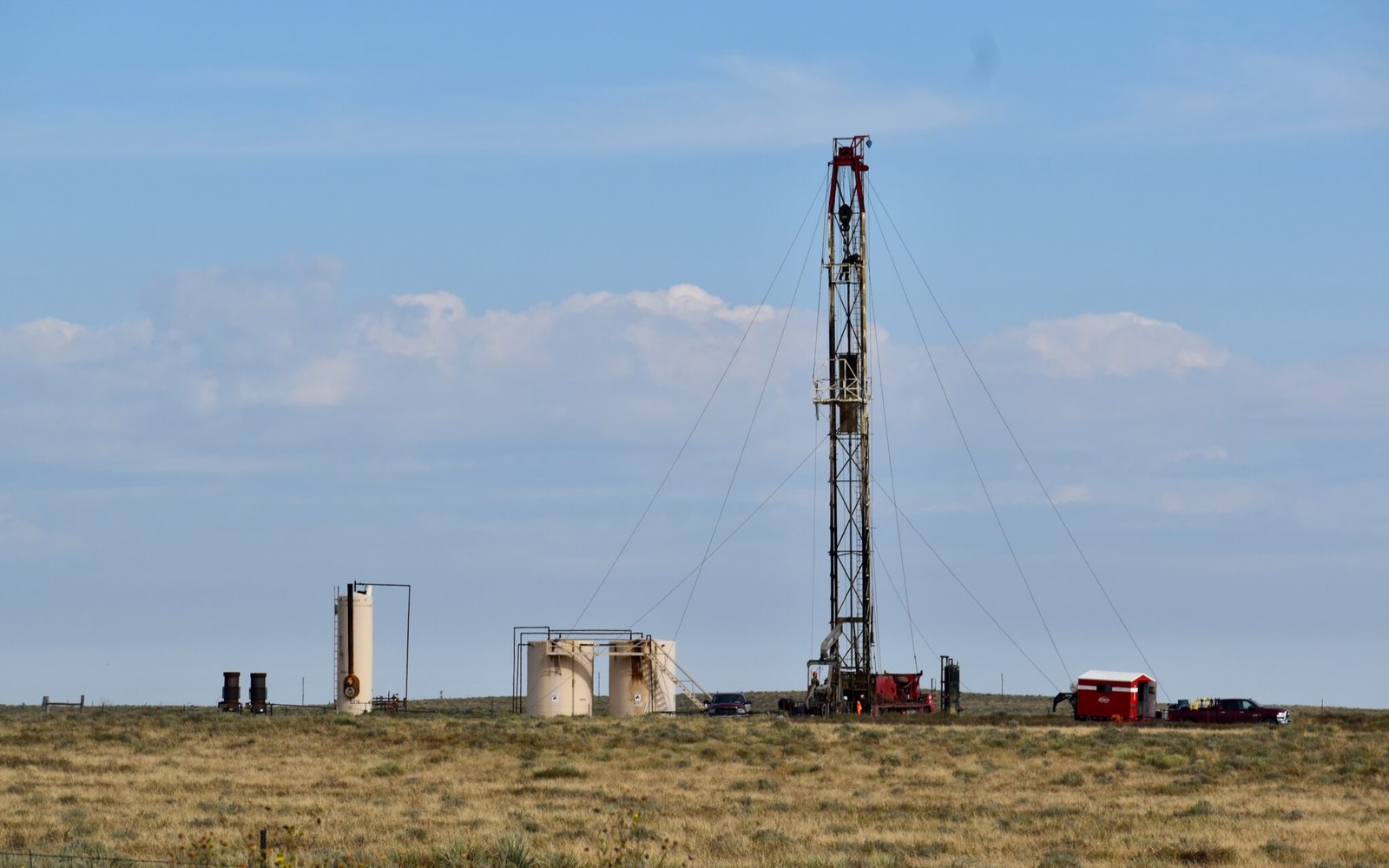
Piceance Basin Mineral Rights
There was a stretch when Rulison and Parachute felt like the busiest towns on the Western Slope. That was a while ago now, and the basin's settled into something quieter.
The Piceance Basin in northwestern Colorado, centered around Garfield and Rio Blanco counties near Rulison and Parachute, is a tight gas sandstone play that had a real boom in the mid-2000s before gas prices cooled and operators like Williams and EnCana pulled back their capital. What's left is a mature basin with a long production history and not a lot of new drilling to speak of these days.
If you've held Piceance minerals through that whole cycle, from the boom through the quiet stretch since, you're probably wondering what your interest realistically holds today. That's a fair question and one worth answering with actual production numbers rather than nostalgia for the busy years.
Rulison, Parachute, and a Boom That Already Happened
This basin saw intense drilling activity through much of the 2000s as operators worked to develop its tight gas sands, and towns like Rulison and Parachute grew fast to support that activity. Wells drilled during that stretch make up the bulk of what's still producing today. Development slowed sharply once gas prices fell and operators redirected capital toward plays with better economics elsewhere.
That timeline matters because it means most Piceance owners are managing a mature, largely legacy interest rather than one with active nearby drilling likely to change the numbers soon.
Why the Rigs Left and What Stayed Behind
Tight gas sandstone development here required a lot of wells and a lot of capital relative to the gas price environment of recent years, and once cheaper shale gas plays came online elsewhere, the Piceance simply couldn't compete for operator budgets the way it once did. Rigs moved on. The wells that were already drilled kept producing, just without much company.
What stayed behind is a basin with a long, well-documented production history, which actually makes it easier to value than a newer, less-proven play. There's less guesswork involved when you've got fifteen or twenty years of decline data to look at.
What a Mature Piceance Interest Is Worth Today
We look at your actual well history, remaining reserves estimates where available, and current gas pricing to put together a number that reflects what's realistically left rather than what the basin was worth at its peak. A mature interest with a long, well-understood decline curve isn't exciting, but it's predictable, and predictable is exactly what makes it possible to price fairly.
If your family has been holding a Piceance interest mostly out of habit rather than active management, a straightforward sale can be a clean way to convert that history into a number today.
We hear from a fair number of Garfield and Rio Blanco county owners who inherited an interest from a relative who worked in the gas fields during the boom years themselves. There's often real sentimental weight attached to these interests, and that's fair. Even so, a well-understood, aging asset is often better handled as a clean sale than as an ongoing obligation nobody in the family has time to manage.
Questions We Would Ask If These Were Still Our Minerals
These are practical questions an owner can answer without arriving with a perfect title file or a commitment to sell.
Is there any drilling happening in the Piceance Basin today?
Very little compared to the mid-2000s boom. Most current production comes from wells drilled during that earlier development phase, with limited new activity since operators redirected capital to other plays.
Why did companies stop drilling here?
Cheaper, more productive shale gas plays elsewhere pulled operator capital away from this tight gas sandstone play once gas prices softened in the years after the boom. It wasn't specific to any one company, it was a basin-wide shift.
Is a mature Piceance interest still worth selling?
Yes, generally. A long production history actually makes valuation more straightforward, since there's real decline data to work from rather than speculation. We price these interests based on documented history.
Could the Piceance see renewed drilling interest in the future?
It's possible if gas prices and regional economics shift meaningfully, but there's no strong indication of that happening soon. We'd rather give you an honest read on current conditions than promise a comeback that may not materialize.
My family has held this interest for generations and it means something to us. Do we have to sell all of it?
No. We can structure a partial sale that lets your family keep a piece of the interest while converting the rest to cash, which is a common middle ground for families with a sentimental attachment to the asset.
How do you value a Piceance interest with such an old production history?
We look at the well's documented decline over its full life, along with current gas pricing, to estimate what's realistically left to produce. A long history actually makes this more straightforward than valuing a newer, unproven well.
Do you buy Piceance interests in both Garfield and Rio Blanco counties?
Yes, across the productive footprint of this basin, including the areas around Rulison and Parachute along with the quieter stretches further out.
Tell us the county and state, how the minerals came to you, whether they are producing, and which records are close at hand.