Non-Producing Minerals
No royalty statement ever arrives because there's nothing under contract and nothing being pumped. Just a legal description on an old deed and a question mark about what, if anything, that acreage is worth.
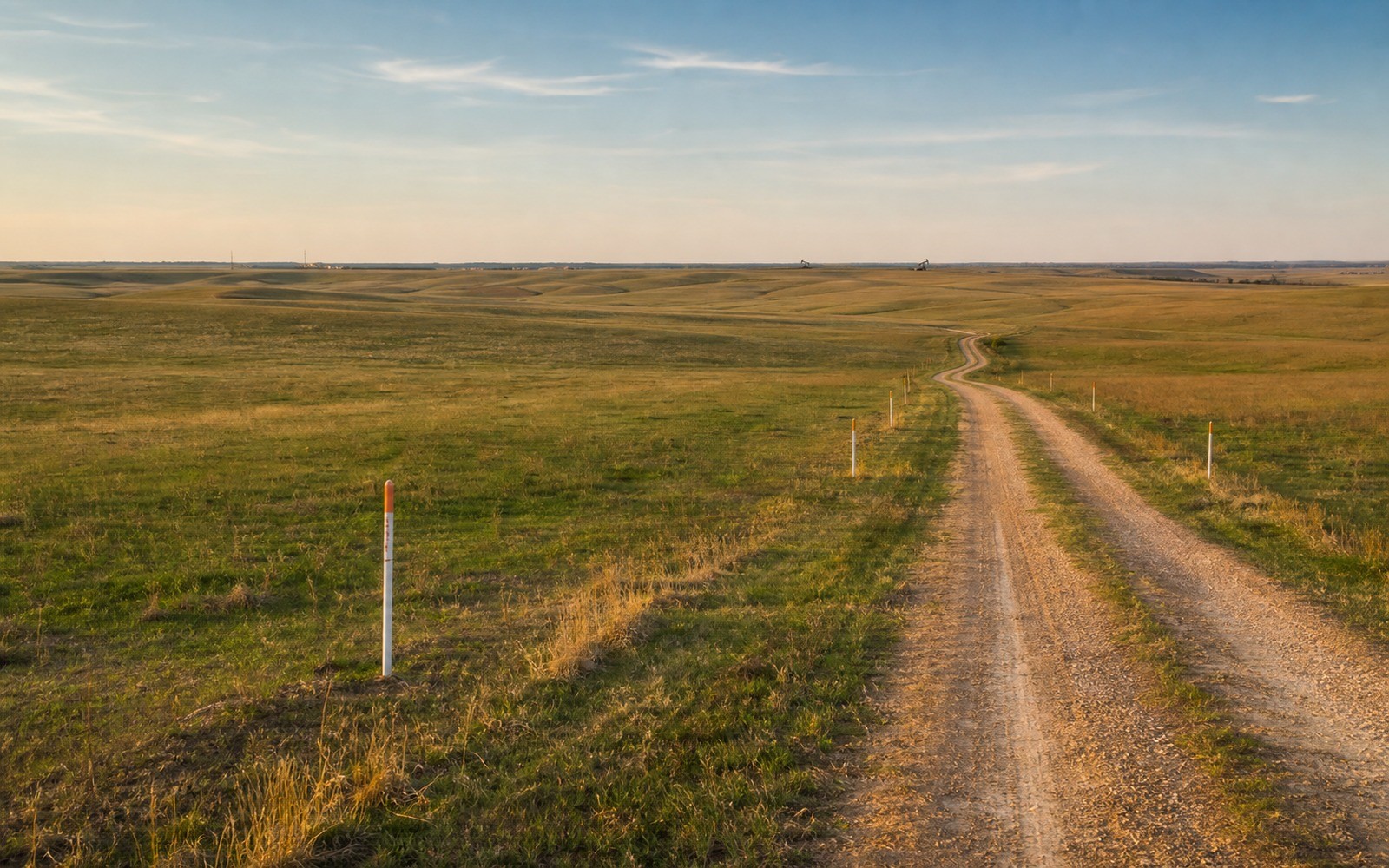
There's a stretch of ground on our own family's minerals that has never had so much as a permit filed near it in three generations of ownership. No lease, no bonus, no royalty, just a deed and a county name. For years we didn't think of it as an asset at all, more like a historical footnote, until a landman called about a unit two sections over and we realized the ground had real value even sitting quiet.
Non-producing minerals are the hardest kind to put a number on because there's no royalty history to point to, no division order, nothing being paid. That doesn't mean they're worthless. It means the value lives entirely in geology and proximity, and figuring that out takes a different kind of look than a producing interest does.
Why non-producing doesn't mean worthless
Value in unleased, undrilled minerals comes from what's happening around them, not under them yet. If your acreage sits inside or adjacent to an active spacing unit, near recent permits, or in a formation where operators are actively leasing, the interest carries real speculative value even with zero production history. If it sits in a part of the county with no nearby activity and no geologic reason to expect any, the honest answer is that it may be worth very little right now, and that's worth knowing rather than guessing at.
The difference between those two outcomes usually comes down to which play you're in and where your particular tract falls within it, core, flank, or fringe. Core acreage in an active horizontal play holds meaningful value unleased. Fringe acreage in a play that peaked a decade ago often doesn't, no matter how large the tract.
The two paths for non-producing minerals
Leasing is the traditional path: you sign with an operator, receive a bonus payment per net mineral acre, and then wait through the primary term to see if a well gets drilled. This can pay well upfront in a hot leasing market but leaves you holding an interest with no explain future income and annual tax reporting for a payment that already happened.
Selling outright converts the same speculative value into one number today, paid by a buyer willing to take on the uncertainty of whether the acreage ever gets drilled. For owners who don't want to manage a lease negotiation, track expiration dates, or wait years to find out if a well ever comes, selling is the simpler exit.
What determines the offer on unleased, undrilled acreage
We look at recent permit filings and completed wells within a mile or two, the operators currently active in the county, comparable recent lease bonus amounts nearby if any have been reported, and the specific formation depth and quality under your tract. None of that produces a explain number, and any offer should be described as a range tied to that activity, not a fixed promise, because the same acreage can be worth meaningfully more or less depending on how leasing activity in the area shifts over even a few months.
This is also where clean title matters more than usual. Non-producing interests without a royalty history to lean on need clear, well-documented ownership to move quickly, since there's nothing else establishing the chain of title in the buyer's mind. Owners who dig up the original deed and any prior lease paperwork before reaching out tend to see faster, more confident offers than owners starting from a blank file.
Questions We Would Ask If These Were Still Our Minerals
These are practical questions an owner can answer without arriving with a perfect title file or a commitment to sell.
How can minerals with no well be worth anything at all?
Value comes from the likelihood of future drilling based on nearby activity and formation quality, not current income. Acreage near active permits in a productive play can carry real value even with zero production history.
Should I try to lease it myself before selling?
You can, and a good bonus payment is a legitimate outcome if a landman is actively working your county. But leasing keeps you an owner waiting on a well that may never come, while selling ends the uncertainty today; which fits depends on how long you're willing to wait.
What if there's never been any activity anywhere near my acreage?
That's honestly relevant to value, and we'll tell you straight if current activity doesn't support a strong offer rather than stringing you along with an inflated number.
How do you know what play or formation is under my land?
State regulatory records, well logs from nearby wells, and formation maps published for most major basins let us estimate what's likely present, even without a well on your specific tract.
Is now a good time to sell if there's no lease at all?
It depends on where leasing activity in your county stands right now, which shifts with commodity prices and operator budgets. We'll give you a straight read on current activity rather than a generic answer.
Tell us the county and state, how the minerals came to you, whether they are producing, and which records are close at hand.