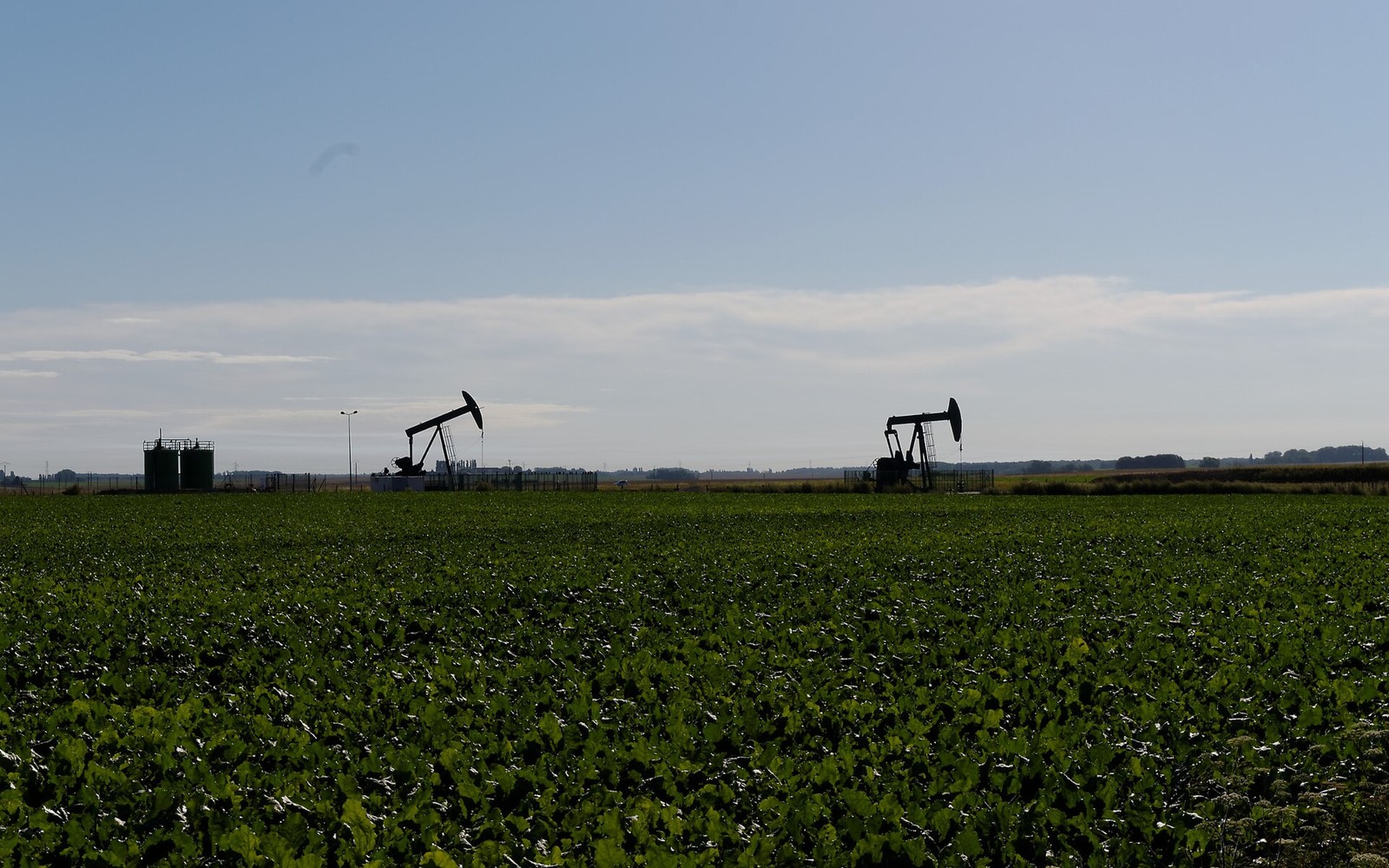
Surface vs. Mineral Estate
You can own every fence post and blade of grass on a piece of ground and not own a single molecule of what's underneath it. That split confuses more owners than almost anything else in this business.
We've had this conversation with more than a few owners over the years who assumed that because their family still owned the surface, the land itself, they must also own the minerals, or the reverse, assuming that because they'd sold the surface generations back, the minerals went with it. Neither assumption is safe. The surface estate and the mineral estate are two separate legal ownerships that can be, and very often are, held by entirely different people.
What matters is understanding which estate you actually hold, why the split exists at all, and what it means practically when you're the mineral owner but someone else owns the ground on top.
How surface and minerals end up in different hands
Severance happens one of two ways. Someone sells the surface but reserves the minerals for themselves, common when a family sold ranch or farm land but wanted to keep whatever might be underground for future generations. Or someone sells the minerals while keeping the surface, common when an early landowner needed cash and sold off mineral rights to a speculator or company decades before anyone knew whether the ground held anything worth developing at all.
Once severed, the two estates can be bought, sold, leased, and inherited completely independently from that point forward. A mineral estate severed in 1920 can still be fully intact and separately owned today, passed down through four generations of a family that has never lived anywhere near the surface, or owned by a company that bought it a century ago and has held it ever since.
Why the mineral estate is legally the 'dominant' estate
In most oil and gas states, the mineral estate holds an implied right to use as much of the surface as reasonably necessary to explore for and produce the minerals, even when a different person or entity owns the surface itself. This means a mineral owner, or more practically, the operator they've leased to, can generally access the land to drill, build roads, and install equipment, subject to reasonable use and, in many states, some form of accommodation or compensation to the surface owner for damages.
This surprises surface owners more than mineral owners, understandably, since it means someone who's never set foot on their land can authorize an operator to come build a well pad on it. It's also why, if you own minerals under land someone else owns the surface of, you're not doing anything wrong by leasing it, that right is baked into how the estates were split from the start.
Confirming which estate you actually hold
This comes down to reading your deed carefully, and older deeds especially can use language that's easy to misread. A deed conveying land 'save and except all oil, gas, and other minerals' means the seller kept the minerals and you got surface only. A deed conveying 'the mineral estate' or 'all oil, gas, and other minerals in and under' a described tract means you hold minerals, potentially without any surface at all. If your paperwork isn't clear, a title search in the county records where the property sits will trace the chain of ownership for both estates separately.
What this means if you're selling
If you own the mineral estate without the surface, you can sell your minerals independently, and the buyer steps into the same rights you had, regardless of who owns the surface above. You don't need the surface owner's permission to sell your minerals, though a considerate seller sometimes gives the surface owner a heads-up, especially in ranching communities where that relationship matters beyond the transaction itself.
Questions We Would Ask If These Were Still Our Minerals
These are practical questions an owner can answer without arriving with a perfect title file or a commitment to sell.
How do I find out if my minerals were ever severed from the surface?
Check your deed for language like 'save and except' or 'reserving' minerals, or have a title company run a search in the county records. Severance is common enough in legacy oil and gas states that it's worth confirming rather than assuming.
Can someone drill on my land if I don't own the minerals under it?
Yes, if the mineral estate was severed and is owned or leased by someone else, they generally have the legal right to reasonable surface access to develop those minerals, sometimes with compensation required depending on state law.
Do I need the surface owner's permission to sell my mineral rights?
No, if you own the minerals separately from the surface, you can sell them without surface owner consent. The buyer simply steps into the same ownership rights you held.
I own the surface but not the minerals. Can I ever get the minerals back?
Only if the current mineral owner agrees to sell or convey them to you; there's no automatic reunification of severed estates over time in most states, though some states have specific dormant mineral statutes worth checking.
Does owning minerals without surface change what a buyer will pay me?
Not directly, buyers price the mineral estate on its own production potential and activity, regardless of who owns the surface, since that's a separate ownership question from the minerals' value.
Tell us the county and state, how the minerals came to you, whether they are producing, and which records are close at hand.