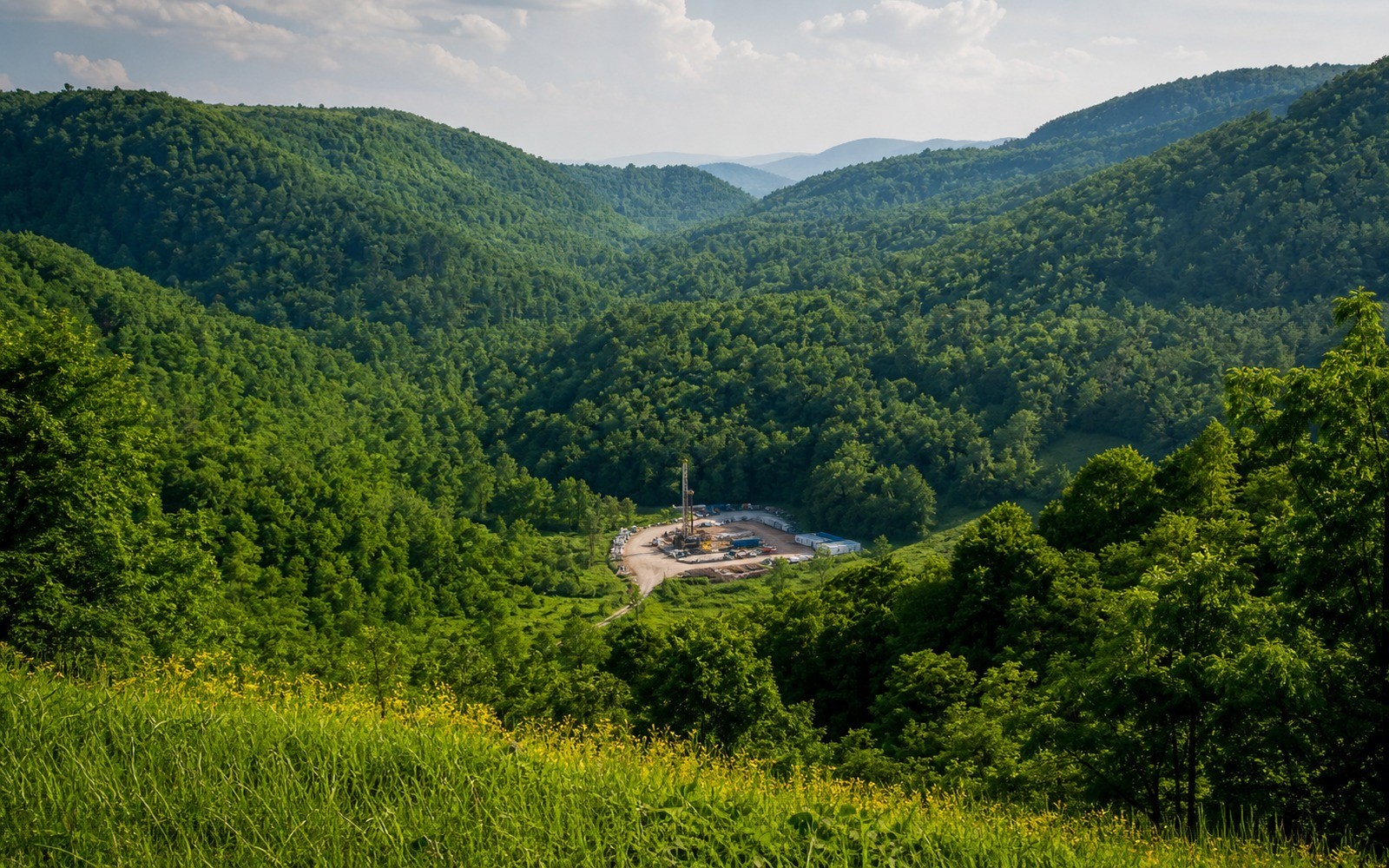
Utica Shale Mineral Rights
People lump the Utica in with the Marcellus like they're the same thing. They're not, and the difference shows up directly in what your check looks like.
The Utica Shale runs under eastern Ohio, in counties like Belmont, Monroe, Guernsey, and Carroll, sitting deeper than the more famous Marcellus that overlies it in the same general region. It was leased and developed heavily starting around 2011 through 2014, mostly by operators like Ascent Resources and Encino, and it produces a genuine mix of dry gas, wet gas, and in some areas oil and condensate, depending on where exactly you sit.
That variation across the play is the key thing to understand about a Utica interest, more than any single fact about the formation as a whole.
The Shale Under the Shale
Because the Utica sits below the Marcellus, some operators in eastern Ohio and parts of West Virginia have developed both formations on the same acreage, sometimes years apart, which means a single tract can have two separate sets of leases and wells stacked on top of each other. That layering is part of what makes eastern Ohio and the adjacent Appalachian counties some of the more complex mineral ownership situations to sort through.
If your family's minerals cover both formations, understanding which lease and which wells apply to which zone is worth doing before assuming you know everything that's producing under your land.
Wet Gas vs Dry Gas and Why the Line Matters to Your Check
The Utica has a recognized wet gas and dry gas boundary running through the play, with wetter, more liquids-rich production concentrated in parts of Belmont, Monroe, and Noble counties, and drier gas further to the east and south. Wet gas production typically carries higher value because it includes natural gas liquids that sell at oil-linked prices rather than gas-linked prices alone, so which side of that line your acreage falls on has a real effect on royalty economics.
Two neighboring counties can see meaningfully different per-well economics purely because of which side of that wet-dry boundary they sit on, independent of how good the rock itself is.
What a 2012 Lease Looks Like Twelve Years Later
Leases signed during the initial Utica land rush of 2011 through 2014 are now well over a decade old in most cases, and many are held by production off wells that have gone through their steep early decline and settled into a longer, shallower tail. Like the Marcellus, Utica leases can carry meaningful post-production cost deductions, so it's worth reviewing your statement against your specific lease language rather than assuming the terms are standard.
Talk to your CPA about the tax side of any sale before finalizing anything, since the right approach depends on your individual situation.
It's also worth checking whether your acreage has seen any activity in the years since your original lease was signed, since Belmont, Monroe, and Guernsey counties have all seen different paces of development depending on where exactly you sit relative to the wet-dry line. A tract that's had two or three wells drilled on it tells a very different value story than one that's still sitting on the original lease with nothing built yet.
Questions We Would Ask If These Were Still Our Minerals
These are practical questions an owner can answer without arriving with a perfect title file or a commitment to sell.
Is the Utica Shale the same as the Marcellus?
No, they're separate formations, with the Utica sitting deeper below the Marcellus in the same general Appalachian region. Some acreage has been developed for both, but they're distinct plays with different lease and well histories.
Why does it matter if my acreage is on the wet or dry side of the Utica?
Wet gas production includes natural gas liquids that typically sell at higher, oil-linked prices, while dry gas sells purely on natural gas pricing. Which side of that boundary your acreage falls on has a real effect on your royalty economics.
My lease is from around 2012. Is it still active?
Most leases from the initial Utica boom are held by production if a well was drilled and is still producing on the unit. We can help confirm your specific lease status against county records.
Should I expect deductions on my Utica statement like the Marcellus?
Many Utica leases include similar post-production cost deduction language to Marcellus leases in the same region. It's worth reviewing your specific lease terms against your statement to understand what's being deducted.
How do I find out how many wells have been drilled on my Utica acreage?
Your division orders and statements will list the specific wells paying you. If you're not sure how many wells are pooled into your unit, send us what you have and we can help confirm it against county and state records.
Is my Utica interest also tied to a Marcellus lease on the same land?
It's possible if your family's minerals were leased separately for each formation over the years. We can help sort out which lease and which wells apply to which zone before we talk numbers.
Tell us the county and state, how the minerals came to you, whether they are producing, and which records are close at hand.