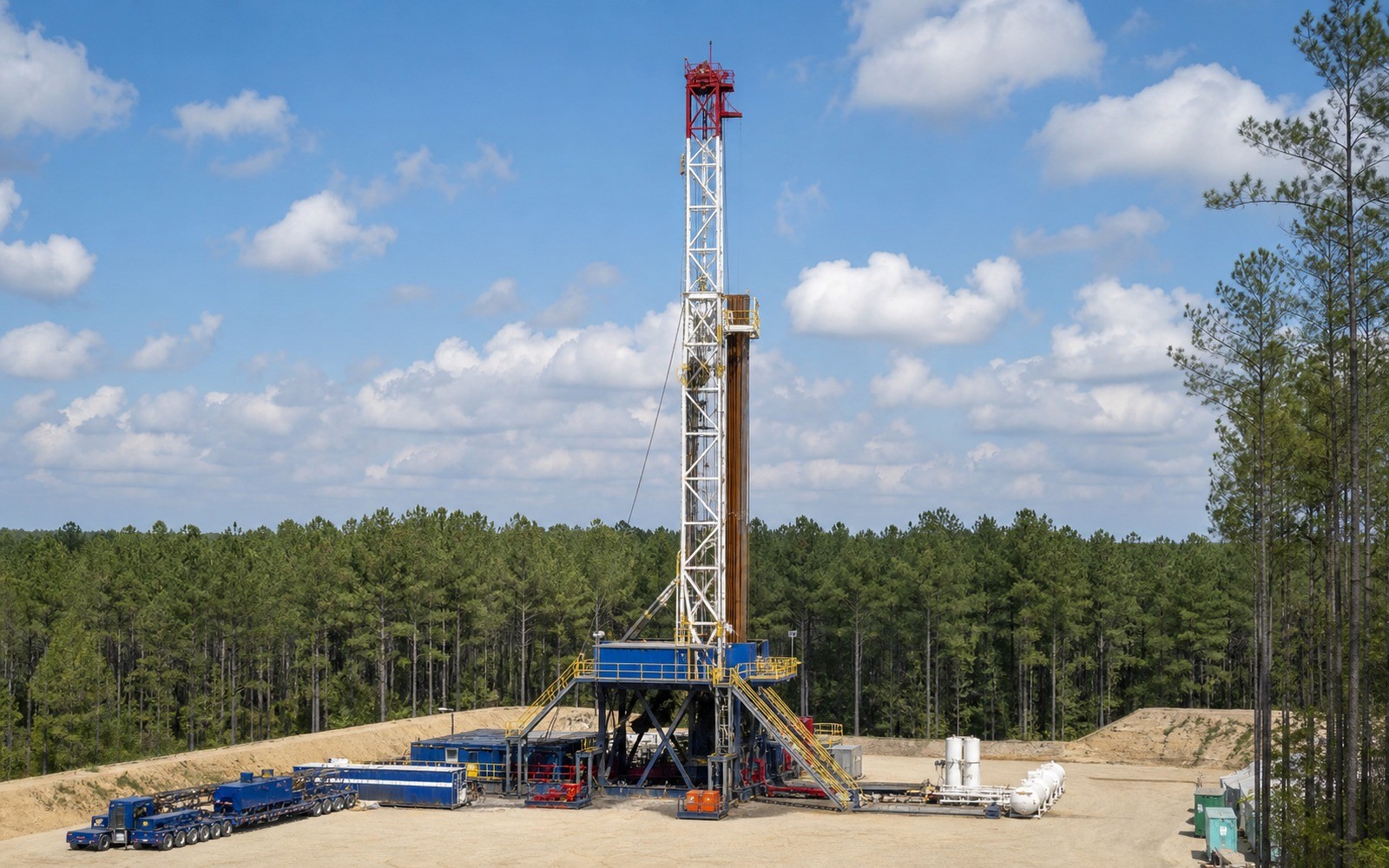
Tuscaloosa Marine Shale Mineral Rights
A landman promised our neighbors this would be the next Eagle Ford. For most of that acreage, the well truck never even showed up.
The Tuscaloosa Marine Shale, straddling the Louisiana-Mississippi border through areas like Wilkinson and Amite counties, was talked about for a stretch as one of the next big unconventional oil plays. It didn't turn out that way. High drilling costs, difficult geology, and a crash in oil prices around 2015 combined to stop most development in its tracks, and a lot of leased acreage here simply never got a well.
If your family leased minerals in this area during the excitement and then watched the promised drilling never materialize, that's a common story, not an unusual one. Understanding what actually happened, and what your lease status really is now, matters a lot to what your interest is worth.
The Play That Was Supposed to Be the Next Big Thing
In the early 2010s, several operators leased large blocks of acreage across this trend, betting that horizontal drilling and modern completion techniques could do for the Tuscaloosa Marine Shale what they had already done for the Eagle Ford and Bakken. Lease bonuses reflected that optimism, and a fair number of landowners signed leases expecting drilling to follow within a few years.
Some wells were drilled and tested, but results were inconsistent and drilling costs ran well above what similar wells cost in more established plays, given the deeper, more geologically challenging target.
Why It Never Quite Worked Out the Way Everyone Hoped
The combination of high well costs, technical difficulty with the specific rock properties here, and the 2014 to 2016 oil price crash proved too much for most operators' economics. Several of the companies that had leased acreage here scaled back significantly or exited the play entirely, and drilling activity across the trend slowed to a trickle.
That history matters for owners today because it means a lot of Tuscaloosa Marine Shale leases either expired without a well ever being drilled, or are held by a small number of wells that don't represent the broad development that was originally expected.
What's Left to Sell When the Wells Never Came
If your minerals here were leased but never drilled, your lease may well have expired, which actually simplifies things since you're free to lease or sell without an existing operator's terms attached. If a well was drilled nearby and your acreage is held by production, we look at that specific well's actual performance rather than the play's original promise.
Either way, we'll give you a straightforward read on your actual lease status and production history rather than pricing based on how this play was once talked about.
We understand there's some disappointment wrapped up in this basin for a lot of Wilkinson and Amite county families who signed leases expecting a boom that didn't come. That's a fair reaction. But it doesn't mean the underlying minerals are worthless, just that they need to be valued honestly against what actually happened here rather than what was originally promised.
Questions We Would Ask If These Were Still Our Minerals
These are practical questions an owner can answer without arriving with a perfect title file or a commitment to sell.
Is anyone still drilling the Tuscaloosa Marine Shale?
Very little. Most operators scaled back or exited after high well costs and the 2014 to 2016 oil price crash made the economics difficult. Development here never reached the scale originally expected.
My lease was signed years ago but no well was ever drilled. Is it still active?
It may well have expired, depending on your lease's primary term and whether it includes any extension provisions. We can help you check the lease terms and county records to confirm your current status.
Is my mineral interest worth anything if it was never developed?
Undeveloped minerals still have value, though it's typically more modest without an active well. We can give you an honest number based on your acreage's actual status rather than the play's original expectations.
Why did this play fail to develop the way the Eagle Ford or Bakken did?
A combination of higher drilling costs, difficult reservoir characteristics specific to this rock, and the timing of the 2014 to 2016 oil price downturn made the economics harder to justify than in more established shale plays.
I feel like this play never delivered what was promised. Is that a fair way to look at it?
It's an understandable reaction for a lot of Wilkinson and Amite county families. We value your minerals honestly against what actually happened here, not against the original expectations, which still gives you a fair, straightforward number.
How do I check whether my lease is still active or already expired?
Look up your lease's primary term and any extension language against the county or parish clerk's records, or send us the lease and we can help confirm its current status fairly quickly.
Do you buy minerals on both sides of the Louisiana-Mississippi border here?
Yes, across the trend, including Wilkinson and Amite counties in Mississippi and the neighboring Louisiana parishes that share the same formation.
Tell us the county and state, how the minerals came to you, whether they are producing, and which records are close at hand.